

Welcome to Part 31, the prevailing wage newsletter that helps federal SCA contractors protect their margins and stay compliant on post-award operations.
This week: The One Big Beautiful Bill Act created a W-2 overtime reporting requirement that compounds SCA misclassification risk, the EO 13658 floor went live today, a D.C. sub got hit with $596K in back wages and a debarment for a kickback scheme, and DOL’s independent contractor reclassification rule could redraw who falls under SCA coverage.
In this issue:
📋 OBBBA Overtime Reporting Meets SCA Payroll Complexity
⚖ EO 13658 Floor at $13.65/hr, Live as of Today
🔍 D.C. HVAC Sub: $596K Back Wages, 3-Year Debarment
📑 DOL IC Rule Could Remove Workers from SCA Coverage
📖 Know the Reg · CICA Stay Override
📅 Dates to remember
LEAD STORY
The One Big Beautiful Bill has a buried overtime provision. SCA contractors need to deal with it now.
The OBBBA (enacted July 4, 2025) created a temporary federal tax deduction for employee overtime wages through 2028. What got no attention: a new W-2 reporting requirement for overtime wages, effective with 2026 tax returns, that forces employers to separately track and report overtime by employee.
Why SCA contractors should care
Isolating overtime by labor category across multiple wage determinations will surface misclassification errors that were previously invisible in aggregate payroll. Wrong base rate + wrong OT calculation + a federal tax document that records both = a WHD referral from IRS data.
What to do now
Confirm your payroll system can report overtime by employee for 2026 W-2 filing. If not, start the vendor conversation now.
Audit SCA workforce classifications. Focus on labor categories not reviewed since the last WD update.
Check overtime calculations against WD-specified base rates. SCA OT must use the WD rate, not a blended rate.
Brief CFO + compliance lead together. This crosses tax, payroll, and SCA. No single department owns it.
In Brief
1. ENFORCEMENT
EO 13658 floor hit $13.65/hr this week. Check whether you have contracts in the covered window.
The rate increase (tipped: $9.55/hr) took effect May 11 but only applies to contracts awarded between January 1, 2015, and January 29, 2022, that have not been renewed since January 30, 2022. Most active SCA contracts won’t be in this window. Run the date filter on your portfolio now; late implementation creates back-wage liability and FCA exposure on certified payroll.
Sources: DOL WHD EO 13658 Page | Federal Register Notice | Berkshire Associates
2. ENFORCEMENT
$596K back wages, 3-year debarment. A DBA case, but WHD runs the same playbook on SCA contracts.
J. Solano HVAC LLC paid D.C. construction workers prevailing wages by check, then required kickbacks of anything above $30/hr. Workers were also misclassified into lower-paid categories. This is a Davis-Bacon enforcement action, but the audit techniques WHD used here (payroll-to-payment reconciliation, worker interviews, classification verification) are the same ones they run on SCA service contracts. Prime liability for sub violations applies under both statutes. If you don’t have a sub-audit procedure, this case is your reason to build one.
Sources: PilieroMazza, Apr. 15 | JDSupra / PilieroMazza
3. REGULATORY
DOL’s IC reclassification rule is moving to the final stage. Some SCA labor categories could be at stake.
The proposed rule (comments closed April 28) reverts to a 2021 “economic reality” test that would make it easier to classify workers as independent contractors. SCA obligations attach to employees, so reclassification could pull labor categories out from under WD coverage. A reclassification that fails a WHD audit means back wages and FCA exposure on every certified payroll that excluded those workers. Don’t reclassify anyone until the final rule (expected Q3 2026) is published and labor counsel reviews it.
Sources: DOL NPRM
Know the Reg
28 U.S.C. § 1491 / CICA, 31 U.S.C. § 3553
CICA Stay Override
When a contractor files a bid protest at GAO, CICA automatically triggers a “stay,” suspending award or performance during review. Agencies can override the stay with a written D&F documenting urgent/compelling circumstances or best interest of the U.S.
Why it matters now: The Federal Circuit’s Life Science Logistics decision (April 15, 2026) lowered the bar for challenging override D&Fs. But Active Deployment Systems (COFC, April 21) confirmed agencies can still prevail if the D&F reasoning is well-documented.
Operational implication: If you lose a recompete and file at GAO, do not assume the stay holds. Document D&F deficiencies contemporaneously, not retroactively. Price your protest decision, assuming performance may continue regardless.
Sources: Stan Hinton COFC Tracker
Dates to remember
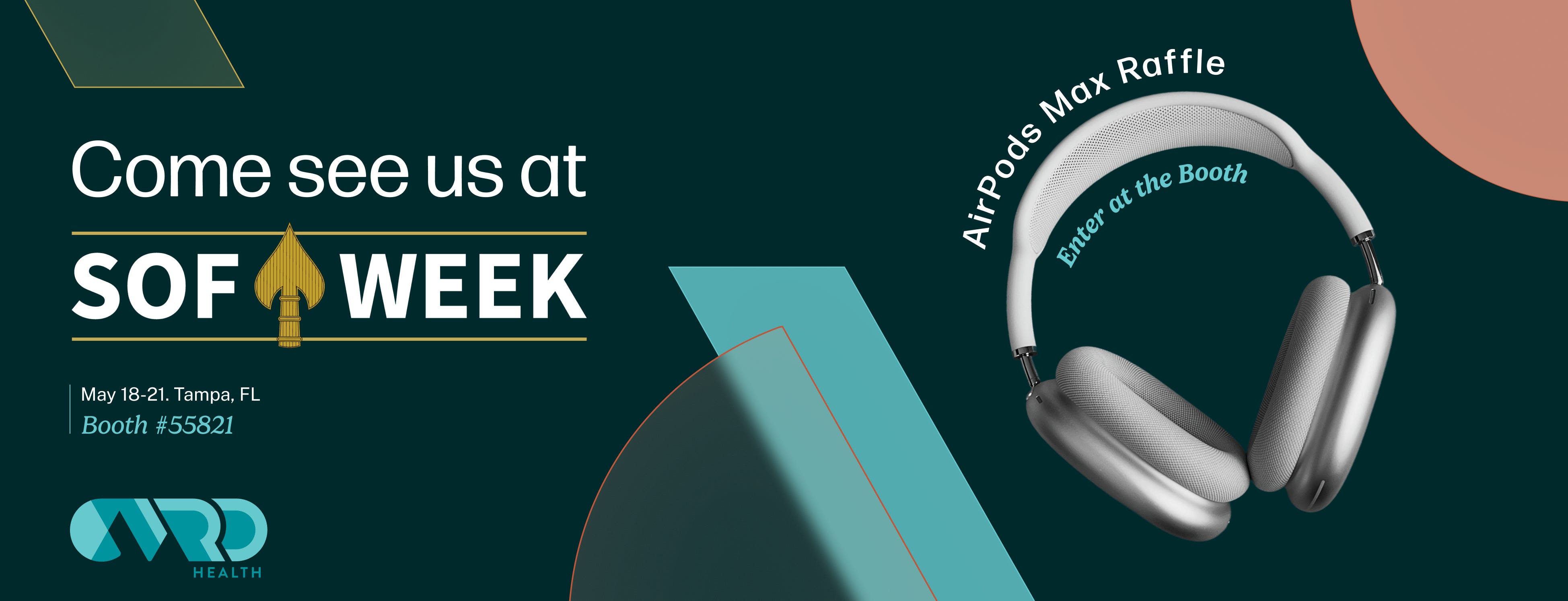
May 18–21: SOF Week 2026, Tampa, FL. Annual convention for the global special operations forces community. Exhibitions May 19–21.
May 20–21: WHD Prevailing Wage Virtual Seminar (DOL/WHD). Free. Covers SCA, DBA, wage determinations, conformances, and enforcement. Best free training available on the subject.
May 28: Buy American Act and Trade Agreements Act (PilieroMazza / Jacqueline Unger). Relevant if your service contracts have supply elements.
June 8–11: NSBGCA Alaska Regional Conference & Golf Tournament, Anchorage, AK. Small business GovCon policy and SCA/DBA compliance updates.
Sept. 23–24: WHD Prevailing Wage Virtual Seminar (Fall) (DOL/WHD). Free. Register early.
Forward this article. It’s a fringe benefit.
We’re building the most useful SCA resource in the market. Help us reach the people who actually need it and you will be rewarded.
Part 31 is a bi-weekly industry newsletter helping federal SCA contractors protect their margins and stay compliant on post-award operations.
P31 takes its name from FAR Part 31, the Cost Principles, the part of the FAR that governs every dollar on every federal contract.
This newsletter is for informational purposes only and is not legal, compliance, or financial advice. For contract-specific guidance, consult qualified labor counsel.